blogging, digital marketing, digital marketing services, social media marketing

Tips in Using Facebook Ads for Ecommerce

As the largest social media network, Facebook is an excellent platform for ads. Properly targeted Facebook ads for e-commerce can be very helpful for any shopping business.

If you’re not running Facebook ads now, the probabilities are good that you’re missing on a lot of opportunities to make money.

To help you out, we have listed some of the most effective tips that you can use when coming up with strategies for running Facebook ads.

Proven Tips in Using Facebook Ads for Ecommerce

With over a billion users, using Facebook ads for e-commerce is a literal goldmine for businesses. And with such a huge number of users, the reality is that almost everyone is using it to their advantage. So why not join in and reap the same benefits yourself? Here are a few ideas that might help boost your Facebook ad strategies.

TIP# 1: Utilize Multi-Product AdvertisementsFacebook Ads for eCommerce

As the name suggests, the multi-product ads will allow you to showcase several products at the same time on Facebook. Using this type of ad can be very helpful for several reasons:

  • This type of ad can help boost conversions as the more products that a potential customer can see, the likelier that the customer will click on an ad.
  • It can be used to showcase the various features of a product.
  • It gives more options to customers.

More importantly, there are indications that multi-product ads really work. This type of ad is actually more efficient when compared with other types. According to a study, companies experienced up to a 300% increase in their click-through-rates after they used multi-product ads.

Also, here are some more interesting figures from an Adobe study:

  • The CTR(Click Through Rate) increased from 50% up to 300% of brands who used multi-product ads.
  • The CPC(Cost Per Click) decreased by up to 35% because of higher engagement.
  • It resulted to more efficient CPA(Cost Per Acquisition).

However, not all companies that use Facebook ads of this sort will experience that rate of increase in their CTR, as there are still other factors that should be considered but the number is still significant and should be food for thought for any business owner. And it is a great way to start how you can exploit the opportunities offered by Facebook ads for e-commerce.

Tip #2: Run Retargeting CampaignsFacebook Retargeting Ads

If you have been running your e-commerce business for some time now, then you know that most potential customers end up leaving their cart without completing their purchase. To be exact, 72% of internet buyers find yourself abandoning carts.

You don’t need to be a rocket scientist to see that it’s a pretty huge number!

Interestingly, only 8% of those who ended up abandoning their carts will come back. That’s a major missed opportunity because those customers have expressed their interest already about the product being sold. Think of the possibilities if you could just get them all back. Or at least most of them.

So, what do you do in order to get them back? This leads us to our second tip on this list of using Facebook ads for e-commerce. You should run a retargeting campaign. By using retargeting campaigns you have a chance of getting over 25% of those customers to come back. That might not be as huge a number as that of those abandoning the carts but it is still a significant one.

It makes sense for you to use retargeting campaigns. If you spend time and money on new people to convince them to buy your product, then it should be worth it to work on those who are already interested in what you are selling. They might not be as hard to convince when you think about it.

You can run retargeting campaigns together with coupons, discounts, and other enticing offers.


Tip #3: Make Sure You Use Conversion Tracking Pixelecommerce facebook adsIf you’re not aware of what a Conversion Tracking Pixel is and what it can do, then you’re missing out on a great deal.  A Conversion Tracking Pixel is a code that is used for tracking the behavior of those who visit your site.

It allows you to track the number of conversions you receive from your advertising campaign.

Conversion Tracking Pixels can also be used by Facebook in order to improve campaigns and target the right audience for your ads. In other words, another fantastic way to use Facebook ads for e-commerce purposes.

When you place Conversion Tracking Pixels on the checkout page, you will be able to get data regarding the actions taken by customers after clicking your ads. That way, you can measure your ROI more accurately.

But this step should be taken way ahead before you actually run your campaign. By doing so, you will give Facebook enough time to learn more about the people who are converting. Sort of giving them a heads up just so they will know about those who will convert ahead of time.

Tip #4: Use Video Advertisements Whenever Possiblefacebook for ecommerceIf you are planning on other ways of using Facebook ads for eCommerce, you should know that Facebook prioritizes video content. That means your ads would have more chances of ending up in the feed of the right people if you use video. That should be a light bulb moment that points you in a new but successfully familiar direction.

Also, videos are a lot more engaging in general. They are not as dull as other media types. Someone would be more likely to stop and watch a video than to just look at pictures of products. Stats show that most Facebook users end up watching videos on the platform daily.

The way that videos on Facebook have been set up is that they play instantly once a user scrolls over them. That catches the attention of users. And that’s what you want, to catch and then hold their attention. That’s the perfect way to use Facebook ads for e-commerce if you ask us.

Of course, you would have to make sure that you create your video ads correctly. Using these types of ads will not automatically mean better ROI for you.

Your videos should be formatted correctly. They should showcase your products in action or show the best features. Also, this is our chance to be creative with how you come up with the video.

Tip #5: Offer a Discount

discount offer

This is actually a must-do step regardless of the type of platform you are using for your ads. But it is also extremely effective as one of the ways to use Facebook ads for e-commerce.  People love discounts and someone who is not actively looking for the product you are selling might end up purchasing it just because of a discount offer.

You can create advertisements that highlight the discount offer specifically. If you have a new product, for example, you can create an introductory discount offer to your customers.

You just have to make sure that the discount that you are promising your customers will not be disadvantageous to your business in the long run. The last thing you want is to undermine your own business in exchange for some short term success.

By using the Offers feature on Facebook ads, you can minimize the gap which exists between the discount offer and the actual sale where you can lose customers. They don’t even have to leave Facebook in order to take advantage of your offer.

Once a customer clicks on the ad for the offer, they will get a code that they can use. Now, another advantage of this method is that you can show the number of people who have taken advantage of the offer.

This so-called social proof is a great way of convincing people that they should grab your offer. If others are enjoying the benefits of the offer, then why shouldn’t they? That’s the mindset that you would like potential customers to have.

Tip #6: Boost a Past Post

Boost Posts for eCommerce

It is understandable if you are hesitant when it comes to creating a new advertising campaign. There is just no way for you to be sure whether it’s going to be successful. While doing business involves taking risks, it can be scary. So if you want to be a little more wary or careful than usual, then no one is going to blame you.

That’s why it makes sense to just boost an existing post. Yes, even this can be a way to use Facebook ads for e-commerce successfully. You can use this feature in order to boost an advertisement that has already proven its effectiveness in the past and get it out there again. By doing so, you can minimize the risks that you are running.

Using this feature, you can choose to promote to those who have already liked your page or to a new audience. Both options have advantages and disadvantages.

The great thing about this ad feature is that you are almost guaranteed to get results through it. After all, the past post already has a track record of success.

Tip #7: Use Posts That Are Not About Selling

Your goal with your e-commerce business is to sell your products but not all your ads should be about selling. Does that sound like a contradiction? How can this be included in a list of using Facebook ads for e-commerce, then? There’s actually a good reason for it.

People tend to stay away from obvious advertisements because they get so much of it online. It can often be overwhelming. So, sometimes you may just have to post something creative and informational without trying to convince people about buying your product to make them aware of your brand.

If you’re not going to sell on your ads, then what can you promote there?

One thing that you can post about is an event related to your business, brand, or product. You can get creative about the nature of the event that you will be promoting.

Just make sure that the event has a real connection with the nature of your business.

If you’re selling clothes, then maybe you can host a fashion show. If you’re selling skateboarding accessories, then you could create a skateboarding competition. Creativity is the name of the game here and you should have fun figuring out the best way to sell without seeming to.

Tip #8: Improve Your Brand Identity

Incorporate your branding into your social content as much as possible to improve your brand identity.

But what exactly is a brand identity and why is it so important?

It’s how your brand, business, and products will be known and perceived by customers. Once you have built, a solid identity for your brand, people will instantly recognize it.

You must be careful when considering what identity to create as it can backfire. If you do not have a graphic designer on staff, strongly consider hiring a graphic design agency.

Use posts to show the audience what your brand is all about. It helps if you have some sort of advocacy that you can identify with. That will make it easier for people to somehow have a connection with your brand without it seeming forced.

Not a Guarantee But a Big Boost

These are just eight tips that you can follow when using Facebook Ads for e-commerce and to help give your business a boost. Using these tips will improve your chances of getting more sales and improving your ROI.

Just because an initial attempt is not successful, it does not mean that you should give up on Facebook as a platform for promoting your business. It might take several attempts to find the right formula. That’s why it’s important that you consider all of the tips and ideas that we listed here.

Remember, Facebook is the largest online platform in the world where you can connect with your market and audience. It is worth your time and money to invest in it.

For the best Social media marketing services contact DMC Online’s Social media marketing team
blogging, digital marketing, digital marketing services, internet marketing, social media marketing

An Overview Of Link Building

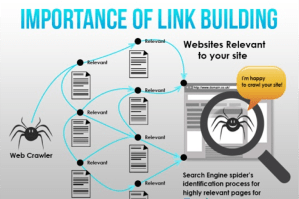
Link building is one among the foremost important factors in SEO because the ranking of an internet site is very impacted by the links that time thereto . In the past 10 years, search engine algorithms have brought about tremendous changes in the digital world. Since Google got smarter with new algorithms like PageRank algorithms, the earlier best practices of keyword stuffing have become spammy. Google analyzes the number of quality links pointing to the page to understand the importance of the page.

In the SEO industry tactics that worked yesterday might not work today because it is an ever-changing domain. Since link building remains considered because the foundation of SEO, let’s check out a number of the simplest practices of link building.

link building

What makes a good link?

Building backlinks is not always easy, but trying to get as many backlinks without considering the quality may end you up in the wrong track. That means while performing link building activity, you ought to always consider the standard of the links too. Search engines are getting more advanced, and that they can sense the standard of your link quite just taking the amount of links under consideration .

Links from high domain authority websites

The domain authority of the web site that links to your page is a crucial factor. Google measures the credibility of the linking website before taking your link under consideration . If the linking website may be a trusted one, the worth of your link are going to be more.

The relevance of the link

Links from high domain authority websites are important, but you do not need to ignore low authority websites. Even if you’re linking from a coffee authority website, if the backlink has relevancy , it’ll gain more value. This is better than having an irrelevant link from a high authority website.

Maintaining diversity in your backlink profile

To build a strong link profile maintaining the range in your link profile is vital . You may be more focused on building many links from websites with 90 DA. Instead, building a more diverse link profile, including relevant links from small authority websites is suggested .

Getting links to your money pages

Money pages are the pages that directly convert visitors into leads like product pages, landing pages, devices pages, etc. You may be wanting to build a better number of links to such pages because they’re the foremost important pages on your website. You shouldn’t narrow your link profile to such pages but should give importance to the pages with the foremost valuable information. In the future , if you build an idea to make valuable assets and backlinks, your money pages also will enjoy that.

DMC Online is the Best Digital Marketing Company Kochi. Looking to Boost Your Business Online? We are Certified Partner to Enhance your Services.And We develop and strategize business models that are tailor-made and ensure that our clients have a self-sustaining platform for future progress.

blogging, digital marketing, digital marketing services, internet marketing, social media marketing

The 12 Types Of Marketing Videos

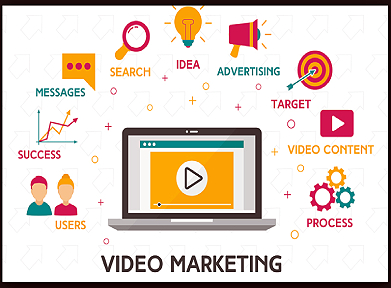
The definition of video marketing is not complex. In fact, it’s rather simple: using video to market or market your brand, product or service. A strong marketing campaign incorporates video into the combination . Customer testimonials, videos from live events, how-to videos, explainer videos, corporate training videos, viral (entertainment) videos — the list goes on.

video marketing

There Are 12 Types of Marketing Videos

1. Demo Videos

Demo videos showcase how your product works — whether that’s taking viewers on a tour of your software and the way it are often used or unboxing and putting a physical product to the test.

2. Brand Videos

Brand videos are typically created as a neighborhood of a bigger ad campaign , showcasing the company’s high-level vision, mission, or products and services. The goal of brand name videos is to create awareness around your company and to intrigue and attract your audience .

3. Event Videos

Is your business hosting a conference, round table discussion, fundraiser, or another sort of event? Produce a highlight reel or release interesting interviews and presentations from the gathering.

4. Expert Interviews

Capturing interviews with internal experts or thought leaders in your industry may be a good way to create trust and authority together with your audience . Find the influencers in your industry — whether or not they share your point-of-view or not — get these discussions ahead of your audience.

5. Educational or How-To Videos

Instructional videos are often wont to teach your audience something new or build the foundational knowledge they’ll got to better understand your business and solutions. These videos also can be employed by your sales and repair teams as they work with customers.

6. Explainer Videos

This type of video is employed to assist your audience better understand why they have your product or service. Many explainer videos specialise in a fictional journey of the company’s core buyer persona who is battling a drag . This person overcomes the issue by adopting or buying the business’s solution.

7. Animated Videos

Animated videos are often an excellent format for hard-to-grasp concepts that require strong visuals or to elucidate an abstract service or product. For example, we created the subsequent video to market a key (intangible) theme from the 2017 State of Inbound report.

8. Case Study and Customer Testimonial Videos

Your prospects want to understand that your product can (and will) solve their specific problem. One of the simplest ways to prove this is often by creating case study videos that feature your satisfied, loyal customers. These folks are your best advocates. Get them on-camera describing their challenges and the way your company helped solve them.

9. Live Videos

Live video gives your viewers a special, behind-the-scenes check out your company. It also draws longer streams and better engagement rates — viewers spend up to eight .1x longer with live video than with video-on-demand. Live-stream interviews, presentations, and events, and encourage viewers to comment with questions.

10. 360° & Virtual Reality Videos

With 360° videos, viewers “scroll” around to ascertain content from every angle — as if they were physically standing within the content. This spherical video style allows viewers to experience a location or event, like exploring Antarctica or meeting a hammerhead . Virtual reality (VR) allows viewers to navigate and control their experience. These videos are usually viewed through devices like Oculus Rift or Google Cardboard.

11. Augmented Reality (AR) Videos

In this style video, a digital layer is added to what you’re currently viewing within the world. For example, you’ll point your phone’s camera at your front room and AR would allow you to ascertain how a couch would look within the space.

12. Personalized Messages

Video are often an ingenious thanks to continue a conversation or answer someone via email or text.These videos create a pleasant , unique moment for your prospects and may drive them further down the purchase journey.

DMC Online is the Video Marketing Company in Kochi which promote and market your product or service, increase engagement on your digital and social channels, educate your consumers and customers, and reach your audience with a new medium.

blogging, digital marketing, digital marketing services, internet marketing, social media marketing

Why social commerce will rule social media in 2020

What’s coming to social media in 2020?

It can be hard to predict the future, especially for something as fast-changing as social media. But if you look to today’s trends and the latest buzz, you’ll start to see the signs.

Social commerce is one of the hottest trends in social media today, and it looks to have an even bigger impact in 2020.

Continue reading to find out the latest on what social commerce is, what it looks like, and how you can make the most of this buzzworthy new channel to further your brand and your business.

What is social commerce? 

Social commerce is selling products directly within social media platforms.

This is different than social media marketing, where you might try to drive referral traffic from social media to a website or online store. With social commerce, the store — the entire shopping experience — happens without the customer ever leaving the social media site.


How does social commerce work?

There are a ton of benefits to this, as you might imagine. It’s a far more streamlined process, especially when you can enjoy things like chatbot checkouts, and autofill payments and delivery details. There are fewer clicks and taps with social commerce than with traditional e-commerce through a web store.

The efficiency of the social commerce purchase journey far outdoes the typical e-commerce purchase. There’s a really great blog post on BigCommerce about this. Basically, the math goes like this:

  • If you have a traditional website and store, let’s say you get 10,000 visitors to the site.
  • Of that group, 25% give you their email address
  • When you send that group an email, 25% of them open it.
  • Then 5% of those who open the email click on the link in the email.
  • And three percent of those clicks end up buying something.

That’s a grand total of 1 purchase, after starting with 10,000 visitors.

Now, compare that to a hypothetical social commerce journey. Let’s take a messenger chatbot for instance.

  • Start with 10,000 chatbot visitors.
  • Of that group, you can message 99% of them
  • Open rates are quite high for chatbots, around 75%.
  • So from the group that sees your message and opens it, let’s say that 48% click-through
  • And then 1% purchase something.

That’s a total of 35 purchases, compared to the one (1) purchase in the website example.

Now, it obviously goes without saying that your mileage may vary here.

These are just example numbers. But hopefully, they highlight some of the advantages of the ease and efficiency of social commerce.

There’s also a strong case to be made on the qualitative side of things. Andrew Waber of Teikametrics, writing on Marketing Land, points out that there are really four separate stages of shopping experience. These are:

  1. Convenience
  2. Shopping as play
  3. Shopping as exploration
  4. Shopping as entertainment

What does social commerce look like on Instagram, Facebook, and Pinterest?

The primary players in social commerce are Instagram, Pinterest, and Facebook. We’ll touch on each of them quickly, starting with Instagram. 

Facebook data says that 70% of shoppers look to Instagram for product discovery. Perhaps because of this, Instagram’s roadmap has been taking on a decidedly strong shopping feel. The biggest development is Instagram Checkout, which is a fully contained shopping experience within the Instagram app. It’s currently only available to select brands like Nike and Kylie Cosmetics. With Instagram Checkout, you can see a product that you like in the Instagram feed and then complete the entire purchase without ever leaving Instagram.

This goes one step further than Instagram Shopping, another new feature that Instagram has come out with recently. Unlike Checkout, Instagram Shopping is available to businesses in over 70 countries so long as you sell physical goods and have an Instagram business account.
With Instagram Shopping, you can tag your images and stories with the products that are featured in your posts. Then your audience can tap to go straight to your store to make the purchase.

For Facebook, they’ve already taken some really huge strides toward social commerce with Facebook Page Shops and Messenger. First, let’s talk about Facebook Page Shops.

Businesses can create an entire store within Facebook, quite easily and smoothly. To get started, make sure your Facebook page has the Shopping template selected, then click the Shop tab on your Page, then click Go to Commerce Manager. Here is where you complete a few sign up steps and then upload your product catalog to your Facebook shop.

There’s a ton you can do from here, like:

  • Add new products and update product information
  • Sell directly from your page
  • Manage orders and shipping, and
  • Run Facebook ads to promote these products.

The website ConversionXL has a neat case study on a brand that has experimented with a Facebook Shop. The watch seller, MVMT, added a selection of products from its catalog to Facebook.

  • Within 90 days, approximately 60,000 users visited the store.
  • These visitors converted at a 0.5% conversion rate, resulting in more than $15,000 in revenue.

Pinterest also has some really powerful social commerce features for businesses, with new features coming out all the time. Buyable pins were released four years ago now, in 2015, and had over 60 million buyable pins in its first six months. We’ve seen more and more commerce features since. Most recently,

  • Shop the Look, which highlights the items in a photo that are available for purchase. And
  • Catalogs, which allow you to upload an entire product catalog to feature on Pinterest

How to get started with social commerce in 2020

1. Focus on your best, lowest-cost products

It makes sense that lowest-cost products might sell best on social media. You’re capturing people at a certain place in their buyer journey where they’re eager to buy, not eager to weigh the pros and cons of a major purchase.

That’s why we recommend using a strategic approach to what you list for sale on social media. If you start with your best products, you’re selling the items that appeal to the widest audience and have been proven to resonate with your fans. If you sell your least expensive ones, then you’re reducing friction for shoppers even more.

Along with this, it’s useful to know the larger themes with social commerce, too. According to an eMarketer report, the most relevant verticals for social commerce are categories like apparel, luxury goods, beauty, and home decor.

If you’re in doubt about what to sell, then start with an experimental mindset. You don’t need to put your entire catalog on social right away. Especially since social commerce is still gaining traction, not all your audience may be primed to purchase. A GlobalWebIndex study found that 21% of shoppers use social to make a purchase — a number that we’d expect to rise quite a bit in 2020.

2. Get the right tools at your disposal. 

There are a ton of great options out there, but we want to highlight just a couple to give you a taste of what’s possible. First, there’s a messaging tool called ManyChat, which allows you to combine Facebook Messenger and SMS campaigns. ManyChat, and other chat tools like it, can be great for collecting leads and converting them into buyers.

Similarly, another great social commerce tool is jumper.ai. This tool comes with pre-built automated checkout chatbots, which integrate with all sorts of different tools and platforms. You can integrate it straight into Instagram to create a social commerce experience.

And along with third-party tools, there are new social commerce features coming to social networks all the time. We think it’s really smart to continually try out these new features, both for their commercial potential and for the engagement boost you get from trying out new content on your accounts.

3. Partner with influencers and encourage your community to share your products.

These two groups — influencers and community — can be very powerful for your commerce efforts thanks to the way that networks like Instagram and Pinterest are set up. Many of their new features allow people to share your products on your behalf and still tie into the frictionless buying experience of a buyable Pin or Instagram shopping.

4. Measure your strategy

The ultimate goal of social commerce is to guide customers to checkout. And you can do this in any number of ways, through great content, two-way communication, and more. Ultimately, though, the best measurement of a social commerce strategy is in dollars and cents. How many sales did you make?

And at the same time, as we talked about above, not all your audience may be ready to shop just yet. Social commerce is still a trend in the making. Not everyone is on board.

So this opens up a variety of alternative measures for success. For instance,

  • How many emails you capture. These emails can become important for starting a relationship with your customers and helping guide them back to your social accounts or your e-commerce website.
  • You can also think about measurements like
  • Brand engagement, and
  • Completion of certain steps before the conversion

For your social needs contact Social Media Marketing in Kochi | DMC Online


blogging, digital marketing, digital marketing services, internet marketing, social media marketing

7 Social Media Tips For Small Business Success

Social media marketing may be a powerful way for businesses of all sizes to succeed in prospects and customers. Your customers are already interacting with brands through social media, and if you are not speaking on to your audience through social platforms like Facebook, Twitter, Instagram, and Pinterest, you’re missing out! Great marketing on social media can bring remarkable success to your business, creating devoted brand advocates and even driving leads and sales.

social media marketing

Tip 1:Know Your Competition


Remember that having competitors who target an equivalent people is great because you’ll always check what worked for them and what didn’t, and use this data to regulate your own strategy.My advice is to start out with the large fish. These guys do something right to urge the type of follower count and engagement they need , so why not learn from them? There are a few ways of doing this.

Use Facebook’s Pages to spot your best-performing competitors and compare their activity, engagement, and audience growth to your own. You can see exactly what content they’re posting, how often, and at what time of day they’re posting. Remember to not only check out follower count but total engagement: it’ll tell you ways their followers are interacting with the content. Brands with high engagement rates are typically the ones to watch.This report will give you a good idea of who has a strong online presence, and who is investing heavily in marketing. Brands investing in marketing and getting many traffic typically have strong social presences, so they’ll be good ones to see out.

If you would like more advanced social media competitive analytics, tools like Rival IQ, SproutSocial, Klear, or SEMrush can provide them. They will assist you track your competitors’ social pages to ascertain how their posts perform, what proportion engagement they receive, which hashtags they use, and what special offers and competitions they’re running on social.


Tip 2: Pick the Right Channel to Target


There are tons of social media channels out there, but that doesn’t necessarily mean you’ve got to get on all of them.If you’re starting your social media journey from scratch, it’s advisable that you simply gather a survey and ask your customers which social media channels they like or use the most.

If you’re already active on social media channels, check their efficiency. Compare the dimensions of your audience across different channels, your engagement, and engagement rate metrics. Another way to pick the right target channel is to analyze your competitors’ activity. Check which channels they put their energies into, and begin targeting them too: your chances of getting noticed by the relevant audience will double.


Tip 3: Simplify Content Creation


Creating social media content does take time, but not the maximum amount once you have the proper tools at hand.For example, Inoreader will assist you find relevant content and continue together with your favorite information sources. The tool allows you to save lots of sites for viewing later, and subscribe social feeds (even with the free version you’ll subscribe as many sources as you like).

Photos and videos you’re taking on your phone are often easily processed with tools like Canvas and VSCO right from your mobile device. Tools like Buffer, Sprout Social, or SEMrush Poster will assist you with scheduling and posting your content across different social networks.Social media managers are always at risk of making small errors, and social media can be merciless if you make a mistake. Use tools like Grammarly to keep your brand’s reputation intact.

Key Takeaway: have you ever heard about the 80/20 rule or Pareto principle? Apply this rule to the time you invest in social media. Plan 80% of content beforehand , and spend the opposite 20% on live conversations with an audience.

Tip 4: Automate Your Posting


If you don’t make an attempt to automate your posting routine, you’ll never have the time to specialise in the essential things which will truly help your business.If you manage several social networks directly , consider tools like Hootsuite and Social Media Poster. Instead of switching between multiple tabs to post your content in each individual network, you’ll be ready to schedule content for all of your social profiles from one tab and create a personalized posting schedule. You’ll have multiple scheduling options also , whether you would like your post to travel live immediately, schedule it for later or create a draft and revisit it later:


Tip 5: Interact with Your Audience on Social

There are two sides to this.

The first one is about monitoring your online mentions across the online and responding to them. The other is about not forgetting to reply to your followers’ messages on social. Both are crucial if you would like your business to succeed. So how do you manage both?People will mention your brand across the online . And they will either be happy with your brand and want to say thank you, or they’ll be disappointed. You have to reply to both sorts of mentions, be it a positive review or a complete diss.Social media monitoring tools like Mention.com, SEMrush Brand Monitoring allow you to trace and categorize your online mentions, find influencers, and identify new promotional opportunities.

social media audience

If you’ve got quite one social account, I’d definitely recommend trying Buffer Reply. It helps you retain all of your social conversations in one team inbox and answer them right from the tool’s interface. Another great point about Buffer Reply is that it provides you with sufficient data about the person you’re lecture , allowing you and your team to make personalized responses.


Tip #6: Engage your Audience Constantly


Test different content formats. Try videos, live streaming, and quizzes. Take pictures of your product, customers together with your product, competitors together with your product, and cats together with your product. Try jokes, memes, and funny statements—experiment with the potential of humor. Don’t forget to line an engagement metric for all the content you post. Otherwise, how will you know what works and what doesn’t?

You can easily entertain your audience with thematic and occasion-based campaigns. These might be campaigns built around holidays and events like an upcoming game release or a TV series premiere. They usually require minimum investment and energy on your part. Because the interest within the event is already there, all you would like to try to to is use it to draw in people’s attention to your product.

Tip 7: Integrate the Online and the Offline


Surely you want to have considered running special offers and competitions for your customers! Make an attempt to market your special offers and sales through social media channels. All it takes to integrate online and offline marketing is that the right hashtag. Tools like Hashtagify and Ritetag won’t only assist you brainstorm new hashtags to use but also show you the recognition and potential reach and impact of specific terms and phrases:

DMC Online stands unique among the companies offering social media marketing Kochi. We, aim in not only delivering the social media marketing Kochi but also to provide all type of digital marketing services involved in SEO, SMM, SEM, etc.

blogging, digital marketing, digital marketing services, internet marketing, social media marketing

How to Increase Search Engine Optimization Results as a Small Business

In today’s digital marketplace, program optimization seems to be a subject that’s on every small business owners mind. That’s because the bulk of consumers are using search engines like Google to seek out the brands, products, and services that they have most. There are many various factors involved in your program ranking. And improving your ranking is no easy task.That’s why we’ve put together the last word guide the way to increase program optimization results. Use the helpful tips below to urge started with improving your reach online.How long does it fancy improve your Google ranking?Skill – does one have the skill set in-house to enhance your SEO? Do you even know what you would like to try to to to urge started? Your skill at SEO plays a task in how quickly you’ll improve your ranking.

small business seo

Here are just a few of the elements that can impact the time it takes for you to improve your Google ranking:

  • Budget – What quite budget are you working with? The larger the budget, the more you’ll do up-front to extend program optimization results. If you’re working with a limited budget, you’ll got to be more strategic about which steps you’re taking .
  • Competition – The more competition you’ve got in your industry and area, the longer it’s going to deem you to extend program optimization results. How well your competition is doing with their own SEO also will play a task .
  • Current Site – What condition is your current site in? The more work you’ve got to try to to to enhance the various elements of your site, the longer it’d take you to ascertain changes in your Google rankings.Keeping these factors in mind. No matter where you’re within the optimization process, seeing a change in your program results page (SERP) rankings will take time. It isn’t something that just happens overnight.

9 Ways to Increase Search Engine Optimization Results


As we mentioned before, the time it takes you to extend program optimization results depends on variety of things . However, there are some actions that you simply can start taking today to enhance your chances of ranking higher on the SERP. Here are just a couple of ways to enhance your SEO

1.Start with an SEO website audit.


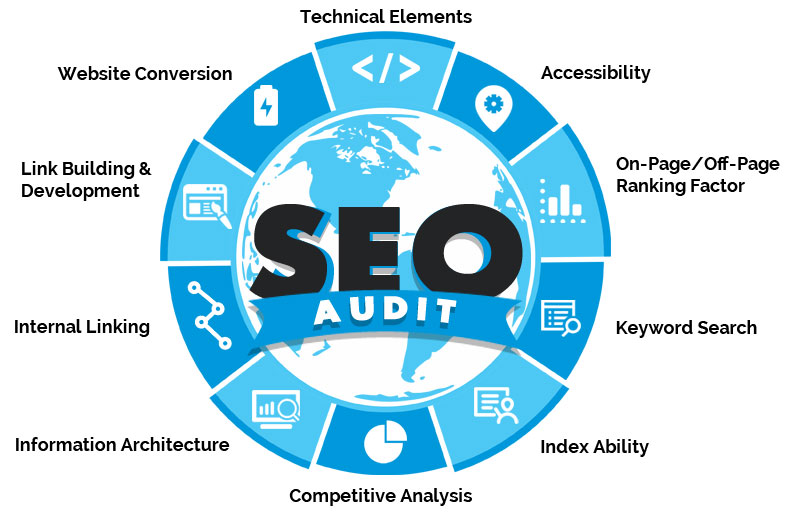
If you would like to seek out out the simplest ways to extend program optimization for your website, you’ll want to start out with an SEO website audit. An audit will help you identify your site’s strengths and weaknesses.That way, you will be able to play to your strengths while making strategic improvements to the weaker areas of your SEO.

An SEO website audit involves looking at:

  • Your website structure
  • Information architecture
  • Existing content
seo audit

The point of the audit is to identify areas that need attention so that you can begin to develop a strategic plan for improvement. Though the audit itself won’t help you improve SEO, it’s a vital first step in effectively and efficiently boosting your SEO efforts.A technical SEO audit requires you to use a number of tools to help identify how different areas of your site are contributing to your SEO. The average small business doesn’t have access to these types of tools or the experience in-house to run them and interpret the results.

For this reason, many brands will prefer to work with an experienced SEO agency which will complete a technical SEO audit and offer strategic recommendations supported what they find.

2.Improve site navigation.


Google wants to supply the simplest possible program experience for its users. For this reason, the program rewards sites that provide a positive user experience (UX). Part of offering a positive UX is ensuring that your site is straightforward to navigate.If site visitors cannot find what they’re trying to find , they’re going to presumably leave your site.

This impacts your bounce rate and time visitors spend on your site as well as the number of pages they view. All of this impacts your search engine rankings.Not to mention, poor navigation often leaves users with a negative perception of your brand. This can lead them to look to your competitors to get what they need.

Developing a clear navigational structure is a vital first step to helping visitors find the what they are looking for on your site. The rule of thumb for navigation is to never make a page more than 3 clicks away. That means that every page on your site, even at the deepest levels, should be reachable in just 3 clicks.

3.Fix duplicate content.


Duplicate content issues can negatively impact your program optimization efforts. Google wants to reward those sites that have unique site content. So they penalize sites with duplicates. That’s why it’s important to regularly check your website for duplicate site content and fix these issues before they start to bring down your SERP rankings.One of the foremost common duplicate content issues is multiple versions of an equivalent page.

To resolve this issue, you’ll need to set up the right redirect rules in your .htaccess. If you don’t know how to do this, ask your site administrator or a web design professional.Another common issue when it comes to duplicate site content are portions of your content that are too similar to other site pages. This can happen for a number of reasons.

duplicate content

Maybe the freelancer that you hired to write your site copy wasn’t as careful as they should have been in writing unique content. Or perhaps you work in an industry where very common phrasing is often used and you’ve used some phrasing that’s identical to other pages on the same topic.

No matter what the case could also be , you’ll got to locate and fix this content to make sure that it doesn’t penalize your SERP rankings.Tools like Copyscape are great for helping you identify duplicate content. Once you’ve used the tool to find content matches, you can fix these issues before they start to impact your SEO.You will got to check for duplicate content on a daily basis as whenever you add new pages or blog posts to your site, there’s the potential for content duplication issues.

4.Optimize your website for mobile.


Mobile site optimization is not any longer optional for businesses. As of 2015, Google now penalizes sites that aren’t optimized for mobile devices.

Why? Because over 55% of all searches come from mobile devices. Consumers are using sites like Yelp as search directories. And counting on Google maps to spot local businesses which will serve their needs within the moment.Mobile site optimization isn’t just important for consumer businesses. B2B brands also got to confirm that their site is straightforward to navigate and skim from smaller screens.

In fact, a study from Search Engine Watch shows 77% of business executives are using smartphones to research new products or services for their business. If you would like your content to be available to your audience once they need it most, mobile optimization may be a must.

5.Optimize your site for speed.


Site speed is yet another factor that the Google algorithm takes into consideration when ranking your site on its SERP.The longer it takes for the page to load, the more frustrated the buyer becomes. This may cause them to leave your site and go to a competitor’s.According to data from Akamai, if your site takes longer than 3 seconds to load, you could be losing almost 50% of your site visitors.To improve bounce rates and thus your SERP ranking, you’ll need to make some changes to your site to improve site speed.

Here are a couple of factors that impact load times:

  • Image File Size – Larger image files take longer to load, impacting your site speed. Compress and optimize your image files so that they don’t drag down your load times.
  • Browser Caching – When a browser loads a site page, it is loading a number of resources. Browser caching stores these resources locally on the users’ computer so they don’t need to be loaded again – making pages load faster.
  • Script Handling – JS and CSS files can slow down your site speed, so make sure that you actually need these extras to enhance your site before using them. (If you don’t know what we’re talking about, ask the person who designs your site.)


When you improve your site speed, you’re not only providing a better UX. But you’re boosting conversion rates as well. Not to mention, Google will take this under consideration when calculating your site ranking on the SERP.

6.Produce high-quality content that adds value.


Consistent, high-quality content plays a vital role in helping your business increase search engine optimization results. No matter what changes you make to your site’s structure, there is no substitute for great content.Your content should not only be researched and well-written. But it also needs to be useful to your target audience. If your website content doesn’t provide value for its readers, it won’t help you increase search engine optimization.

One of the best ways to step up your content creation is to create a business blog. This is where you will regularly post new blog articles about topics that are relevant to your industry and your customers.A great place to start out brainstorming potential topics together with your team is to believe questions that your audience may have or challenges that they face. Addressing these challenges in blog posts not only helps you catch the eye of your audience but also make sure that the content is providing some sort of value.

7.Insert and improve your metadata.


If you want to rank higher on the Google search engine results page, you’ve got to make it easy for Google to decipher what your pages are about. Making sure you insert metadata or improve the prevailing metadata on your pages may be a surefire thanks to increase program optimization results for your site pages.

Here are some elements you’ll need to consider when optimizing your metadata:

  • Title – this is often the title which will be displayed at the highest of the browser window also because the headline on the SERP. Include your keywords on the brink of the start of the title.
  • Description – The description is important because it shows up on the SERP and tells users what the page is about. Create a clear and accurate description of the page that’s brief while still emphasizing chosen keywords.
  • Alt Tags – Alternative text descriptions, or alt tags, are used to describe any images, videos, or visual media that you use on your pages. This not only tells Google what your images are about but helps the search engine determine when to deliver this content in its image search results.


Get in the habit of following these best practices for each and every new page or blog post that you publish. Though this takes a little extra time to create, it’s an essential way to increase your search engine optimization results.The more accurately Google can determine what’s on your pages, the more effectively the search engine can deliver the right results to the right users at the right time.

8.Include inbound and outbound hyperlinks.

Linking is another important way to increase search engine optimization results. Backlinking strategies can get a bit complicated.However, the best way to increase the number of links back to your content is to write content that’s worth linking to. The more valuable content you create and share with others, the more likely other sites will link back to your content.

In addition to getting external links back to your site, you’ll also want to link to your own site pages internally.Any time you have the opportunity to link to a relevant site page or blog post within your own content, go for it. This will not only help you increase search engine optimization results, but it allows you to guide readers to other content that they might find helpful.

9.confirm your content is straightforward to read.


We’ve already talked about the importance of creating high-quality content on a consistent basis. However, if this content isn’t easy for visitors to read, they may not take the time to read it.Ensuring that your content is formatted during a way that’s easy to navigate and skim is a crucial a part of keeping visitors on your site longer. Which impacts both SEO and conversion rates.

One of the best ways to format your content so that it’s easier to digest is by using headings and subheadings.These titles help hack the content into different topics. Making it easier for readers to spot what sorts of information are going to be contained within each section. This is especially important for long-form blogs as readers can easily get lost in the content.Another formatting tip is to use bullet points and numbered lists to break down more complex topics.

Bullet points offer readers a little break from large chunks of text while easily breaking down information into more digestible chunks. Numbered lists can help break down a process or make a list of elements easier to understand.Bold and italics are also your friend.

If you want to emphasize certain elements of the text or make sure that something sticks out to the reader, make a phrase bold or put a word in italics.All of these tactics will help improve the readability of your piece and make it easier for busy readers to scan and get the information they need quickly and effectively.

DMC Online When it comes to marketing your business, we use the full range of online marketing tools.The Digital Marketing Company can also increase the efficacy of other marketing techniques – including Search Engine Optimization and Search Engine Marketing – by helping build natural links, drive traffic, and build natural links, awareness, brand recognition and goodwill.
Are you looking for best Digital Marketing company in Kochi? DMC Online is the best option to fulfill your dreams. that helps to increase your business sales or branding? We provide complete Digital Marketing services to every companies across the world.


blogging, digital marketing, digital marketing services, internet marketing, social media marketing

What is Digital Advertising and How it Work

Need a helping hand with your digital marketing efforts? Or maybe you only want proven, actionable marketing tools, tactics, and templates to implement in your business? Check out the newest deal from DMC Online, and you’ll get on your thanks to helping your business grow.

Welcome to the fun world of digital advertising, where everyone starts off asking an equivalent question:

What even is digital advertising?

If you’re not Steve Jobs and didn’t realize how important digital advertising was getting to be in building a corporation in 1984 (the year Apple’s iconic commercial launched), this is your OFFICIAL invite into the club.

Let’s be honest, none of us got the memo as quickly as Jobs did. Yet, we will all learn a valuable lesson from him.

Digital advertising can catapult a business, like Apple, into success and make raving fans from your customers (this is advice from a corporation that reached a $1 trillion valuation in 2018).

What is Digital Advertising?

Digital advertising may be a strategy that promotes a product online. This promotion happens on social media platforms, search engines, websites, or maybe in your inbox. Essentially, digital advertising is promoting your product or services to people on the web.

And (just to drive home the point) it’s a huge part of the marketing industry right now.

In 2018, Facebook made $55 billion in advertising revenue. That means that marketers paid them a cumulated sum of $55 billion to advertise their products on Facebook platforms.

Like we said, digital advertising is quite an enormous deal.

It also can be mentioned as “online advertising” or “paid media.” All of those terms just mean that you’re promoting a product online with the hope of starting conversions (i.e., users to sign up for your email list, people to buy your product, etc.).

How Does Digital Advertising Work?

When Apple ran its iconic ad in 1984, everything was pretty simple. While they had to wait until 2000 to be able to run a Google ad for their products, there wasn’t much competition trying to steal their customers online when they could finally launch online ads.

Which is that the total opposite of what digital advertising is today? Customers in 2020 have tons of options when it involves who they need to buy their products from, and this rise in options has made online advertising a bit more complex than it wont to be.

But, don’t worry. At DMC Online we’ve blog posts and courses which will teach you the foremost up-to-date information about paid media because it stands today. While this might seem overwhelming, it all starts to form sense the more you study it.

For example, digital advertising requires you to possess a traffic campaign and it all starts together with your customer.

To create a web advertising strategy that works, you’ve got to make the proper ad for your audience. It needs to be something that makes them stop scrolling and think, “Wow, that’s exactly what I need.” That ad is going to make your prospects convert—remember, this is marketing lingo for getting users to sign up for your email list, people to buy your product, etc.

And if this were 2000 again, you’ll stop there. But…digital advertising requires a bit more effort now.

Part of this strategy also involves building relationships with your audience by giving them free value and showing them that you’re the business they want to buy from. It also involves doing audits on your ads to seek out ways to enhance them and increase your conversions.

You’ve presumably spent the bulk of today watching different sorts of digital advertising (we’ll explain how within the next section). Let’s look at some examples!

(NOTE: Need a hand together with your digital marketing efforts? Or maybe you only want proven, actionable marketing tools, tactics, and templates to implement in your business? Check out the newest deal from DMC Online, and you’ll get on your thanks to helping your business grow.)

Examples of Digital Advertising

If you’ve spent anytime online today chances are that you’ve seen some form of advertising. That’s because it’s really…everywhere.

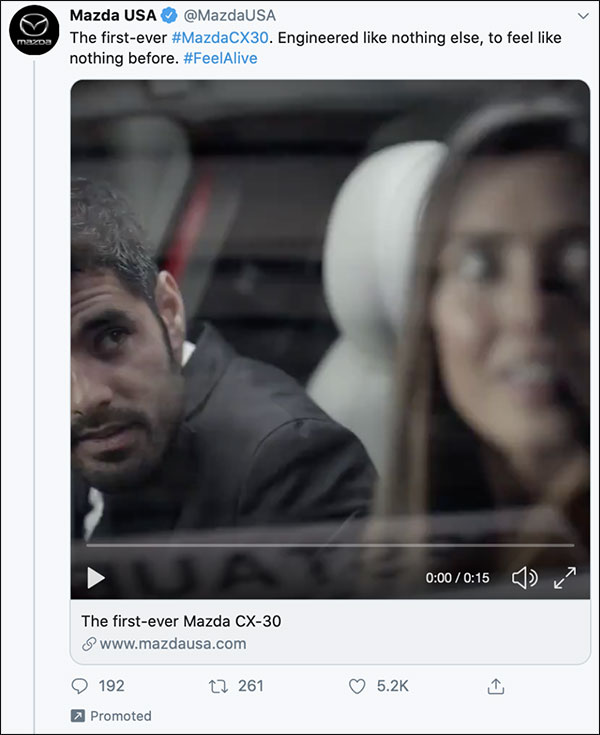
For example, Mazda is using Twitter to promote their new model, MazdaCX30 (as you can see by the “Promoted” text in the bottom left-hand corner):

A Mazda Twitter profile with the headline, "The first-ever #MazdaCX30. Engineered like nothing else, to feel like nothing before. #FeelAlive

Industrious HQ, a coworking space located in Los Angeles, is running paid media on Instagram (notice the Sponsored text under their name):

IndustriousHQ's Instagram ad with a photo of one of their modern offices with white walls and light wood accents with caption, "Like what you see? It could be your new office. Book a tour today.

And even Office Depot is running ads on websites, like Forbes:

An ad for Office Depot in the above-the-fold content of Forbes with headline: A suite of services to help your business succeed

So, unless this article is that the first piece of Internet content that you simply have touched since you awakened this morning, likelihood is that you’ve spent tons of your time looking at digital advertisements—whether you realized it or not.

And that’s because business owners, agencies, and marketers are now on the train that Apple hopped on over 3 decades ago.

It’s is a huge market (obviously). Businesses around the world have figured out that with digital advertising’s ability to target specific audiences they can create more customers and double their business.

And that’s a really big deal.

(NOTE: Need a hand together with your digital marketing efforts? Or maybe you only want proven, actionable marketing tools, tactics, and templates to implement in your business? Check out the latest deal from DMC Online, and you’ll get on your thanks to helping your business grow.)

blogging, digital marketing, digital marketing services, internet marketing, social media marketing

social media marketing company in kerala | social media agency in kochi

Social media marketing company in kochi

Social media management could be a an area of online marketing strategy that’s effective in promoting social Media Management businesses and their products or services over recommended social media sites like Facebook, Twitter, Pinterest, Instagram, etc. It helps in branding of companies over social channels and generates more traffic for websites similarly.

social media marketing

The importance of social media in business is increasing at warp speed. With more and more individuals connection social media sites and using them often with efficiency, the social media industry is sure to become larger within the coming years. It’s booming like never before.

The importance of social media marketing companies are:

  1. Boost brand Awareness: Social media proves to be a strong tool when it involves growing your brand awareness.
  2. Increase inbound Traffic: Inbound marketing is one of the foremost effective ways to get targeted traffic to your internet site . It’s the kind of traffic that really converts as a result of it’s super relevant.
  3. Improve search engine Optimization: Every seasoned social media marketer is aware that there’s some connection between social media and search engine optimisation. Whereas Google has clearly declared that it will take “social signals” into consideration when ranking a page, there’s more to it.

At DMC Online, we provide a full suite of social media marketing and digital advertising services that will facilitate build your brand awareness, identify your target audience and develop, test and perfect advertising opportunities that deliver results.