digital marketing, digital marketing services, internet marketing, social media marketing

AI In digital marketing and its uses

Today, optimizing for search is optimizing your customer’s experience. As people query a search engine on their laptop, ask a voice assistant for help, or use their mobile device to find nearby solutions to their needs, brands must be positioned to appear in these critical decision-making moments.

Moreover, they must be positioned to respond with relevant, personalized content that speaks directly to the stated need—regardless of device or platform. In fact, real-time marketing (65%) and omnichannel delivery and engagement (52%) were identified as the top two near-term marketing priorities in an Econsultancy/Resulticks survey of more than 340 enterprise brands.

This massive influx of search and customer interaction data cannot possibly be analyzed and activated in real-time without automation. But make no mistake, automation is no longer about having machines simply perform redundant tasks for us. The power of artificial intelligence has given our SEO and marketers the power to analyze information, make decisions, and even carry out optimization tasks, freeing up time for SEOs to focus on the more creative and strategic elements of each campaign.

How can you use AI in your SEO strategy to gain greater insight, respond in real-time, and increase your relevance to the ask?

Gleaning customer insights from search data

Artificial intelligence can enable SEOs to quickly reap the most impactful insights from otherwise insurmountable datasets. As search data has become increasingly complex, it’s become a rich source of insight with value across the organization:

  • Search queries can tell us what the customer needs, how they feel about it, what problem or pain point has led them to search, and more.
  • Zero-click – behavior on search results pages (SERPs) and interactions with local listings can tell us when customers quickly found their answer and converted to a phone call or in-store visit.
  • On-site activity can tell us what stage of their buying journey a customer is in, what information gaps still exist, what topics they want to learn more about, what reservations they may have about completing the transaction, and more.
  • Demographics – high-level trends, traits, and characteristics can add depth and color to buyer profiles.
  • Transactions – purchase history, interactions with in-store beacons, offers redeemed, and third-party profiles from credit cards, for example, help fill in the gaps and build a more robust understanding of the customer.
  • Social media, email, and other ongoing conversations can help us understand specifically what messaging resonates, which offers or content trigger a conversion reaction, and more.

ai in digital marketing


SEO holds the key to the bulk of this data that is used not only for informing marketing campaigns and targeting but for improving the product, customer service, and loyalty. Customer data has the power to transform the entire business, which puts SEOs in a pretty enviable position—if they can share and communicate these insights with the parties who can benefit from them.

Your CEO doesn’t want to see ranking reports; they want high-level insights that can inform the direction of the company. Front-line customer service teams don’t need to get into the weeds of an SEO audit, but they do need to understand what specific pain points and friction in the customer journey exist so they can more proactively address those.

AI-powered insights ensure reporting with speed and precision. Technology can be trained to recognize patterns in data and even dig into many layers of data, pinpointing opportunities and challenges you would never have uncovered otherwise. And marketers are not only seeing success stories in SEO: more than 31% of respondents in a BrightEdge survey found that AI helped provide a better understanding of the customer. (Disclaimer: I’m the COO at BrightEdge).

Using AI-based automation to improve SEO performance

This is really the power of the AI layer in SEO. We’ve long used automation to save time and reduce labor, but AI-based automation can improve SEO’s performance, too.

AI-powered paid media bidding was perhaps one of the best-known early uses of AI in marketing. Knowing this, SEOs can work closely with paid media teams to ensure good exposure while eliminating cannibalization, duplicated efforts, and wasted spend.

That same underlying AI technology can now power real-time content optimization and personalization, as well. SEOs have the ability to automate repetitive tasks such as link building and auditing. But you can also program your AI-powered SEO tools to trigger optimizations based on consumer behavior, interactions with content, specific search queries, and more.

Conversational bots, for example, can “learn” and improve their accuracy as they “get to know” your audience. Personalization engines can detect patterns and structure in your traffic and begin to predict which product or content recommendations may perform the best. And as those interactions take place, they continue to analyze, learn, adjust and perfect.

What incorporating AI into your SEO strategy gives you is the benefit of scale, even if you’re a one-person operation. Think of AI as a silent partner—a data-obsessed, completely geeked-out partner who never sleeps, is always on, and does the analytical work of a team of hundreds.

AI isn’t out for your job; it will free up your time and mental energy to focus on your more creative, strategic SEO opportunities. It will support you as you make the pitch for more SEO budget, present multi-channel recommendations to your CMO, and in some automated cases do a lot of the heavy lifting for you so you can focus on creative and digital strategy.

To know more about digital strategies and services contact our Digital marketing company Kochi 

blogging, digital marketing, digital marketing services, internet marketing, social media marketing

An Overview Of Link Building

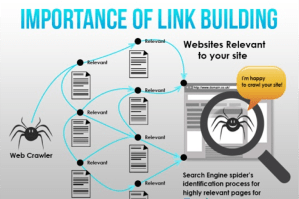
Link building is one among the foremost important factors in SEO because the ranking of an internet site is very impacted by the links that time thereto . In the past 10 years, search engine algorithms have brought about tremendous changes in the digital world. Since Google got smarter with new algorithms like PageRank algorithms, the earlier best practices of keyword stuffing have become spammy. Google analyzes the number of quality links pointing to the page to understand the importance of the page.

In the SEO industry tactics that worked yesterday might not work today because it is an ever-changing domain. Since link building remains considered because the foundation of SEO, let’s check out a number of the simplest practices of link building.

link building

What makes a good link?

Building backlinks is not always easy, but trying to get as many backlinks without considering the quality may end you up in the wrong track. That means while performing link building activity, you ought to always consider the standard of the links too. Search engines are getting more advanced, and that they can sense the standard of your link quite just taking the amount of links under consideration .

Links from high domain authority websites

The domain authority of the web site that links to your page is a crucial factor. Google measures the credibility of the linking website before taking your link under consideration . If the linking website may be a trusted one, the worth of your link are going to be more.

The relevance of the link

Links from high domain authority websites are important, but you do not need to ignore low authority websites. Even if you’re linking from a coffee authority website, if the backlink has relevancy , it’ll gain more value. This is better than having an irrelevant link from a high authority website.

Maintaining diversity in your backlink profile

To build a strong link profile maintaining the range in your link profile is vital . You may be more focused on building many links from websites with 90 DA. Instead, building a more diverse link profile, including relevant links from small authority websites is suggested .

Getting links to your money pages

Money pages are the pages that directly convert visitors into leads like product pages, landing pages, devices pages, etc. You may be wanting to build a better number of links to such pages because they’re the foremost important pages on your website. You shouldn’t narrow your link profile to such pages but should give importance to the pages with the foremost valuable information. In the future , if you build an idea to make valuable assets and backlinks, your money pages also will enjoy that.

DMC Online is the Best Digital Marketing Company Kochi. Looking to Boost Your Business Online? We are Certified Partner to Enhance your Services.And We develop and strategize business models that are tailor-made and ensure that our clients have a self-sustaining platform for future progress.

blogging, digital marketing, digital marketing services

Rules of Creating SEO Friendly Content

Having a professional business website that conveys a robust message can convince be excellent leads or sales generating tool. However, the key here is to convey the right message, one that helps you connect to your target audience at a higher level. Which is why investing in good SEO friendly content is important.

The purpose of making quality content isn’t just to make your business site look good. You want the right people to read what you are writing. And that means your content also needs to rank higher in the search engine result pages. Because it’s a proven way to reach out a bigger section of your target audience.

Since people are regularly searching for topics relevant to your business (regardless of the industry you are in), you don’t just need content, you need content that impresses both — the readers and the search engines. In short, you need in-depth, SEO friendly content that ranks in the top ten search results.

SEO friendly content length

Creating quality content is important when it involves creating a top-quality impression on your readers. But without focusing on the SEO aspect of it, you’re missing out on the chances to getting your content in front of the right people.

Keep in mind that good content goes hand in hand with ethical SEO, so it’s something that every business (no matter how small) needs to work on.

Is producing SEO friendly content hard? Of course not. If you’re already creating content, you just need to take it a notch up in the right direction if you want to reap the benefits of SEO.

Once you begin working on producing great, SEO friendly content, it not only gets easier to achieve higher search engine rankings, but also gets simpler to stay your position in the search engine result pages.

So the question is, how do you really go about creating SEO friendly content that actually gets real-world results? What do you need to ensure you’re doing better than your competitors in terms of producing content that is favored by Google and its users?

In the following article we’ll be looking into 5 essential rules that you can follow to make your content more SEO friendly, without breaking any of the white hat SEO rules.

 Rules on how to Create SEO Friendly Content

1: Take an Original Approach

Creating SEO friendly content in itself doesn’t have to be a daunting task. But the moment you try to copy others it becomes difficult. When you focus on being authentic and different in your own way, without focusing too much on your competitors, you have a much better chance of creating new content that really matters.

Standing out of the crowd gets a lot more achievable when your content is authentic and original. Now, this doesn’t mean that you cannot seek inspiration from sources within your industry. You always can learn from others before offering your own unique insight.

So if that’s the case, why are more than half of the brands out there failing when it comes to creating authentic content? The answer may not be so simple.

resonating content

When you’re focusing on creating real, SEO friendly content, forget rehashing what has already been overly done. Being original is what really matters and that can only happen when you bring out the originality in the concepts or ideas that you share. Avoid taking the lazy route with your content. Instead, make it a piece worth consuming and sharing. Make it a breath of fresh air.

One of the key aspects to improving search engine optimization results to get other reputable websites within your niche to link to yours. When you put in real effort to make your content original, you automatically open doors for building more backlinks. Because quality websites like to link to helpful resources that offer something new and authentic.

If you look at the stats, 90% of consumers find custom content (read: unique) helpful and almost 80% believe in a company that is working on strengthening its relationship with them.

Also, looking at it purely from Google’s point of view, you will get rewarded by the big G for publishing original content in terms of higher ranking. And get penalized for any content that is blatantly copied from somewhere else.

You can make your content more original and SEO friendly…

A) Tapping Into Your Reader’s Emotions

A simple yet proven way to make the content original that helps you connect with your target audience is to focus on touching their emotions.

In fact, it has been found that a marketing message becomes 2X more effective when it impresses the reader’s emotions and gives them a reason to share. Whether your content is humorous or controversial, if it can stir the right emotions, it has a higher chance of standing out in the crowd.


Here are three ways you can evoke the emotions of your readers and boost the chances of gaining traction/engagement from each piece of content you produce.

  1. Use the right kind of vocabulary that has a positive and uplifting effect on readers. The idea is to make them feel more confident, inspired and even intelligent with your words.
  2. Inspire your readers to take action by sharing your content with others. Use storytelling as a tool to create inspirational content that is worth sharing with others. For instance, you can share one of your customer’s success story and make your content both, authentic and inspiring, ultimately making it more SEO friendly.
  3. Keep your readers interested by surprising them with unexpected twists and turns, without losing focus on the main topic.

B) Adding Your Own Perspective

There is a sea of content on the Internet, so what will make people choose your piece of content over your competitors? It’s because of the value you bring and how you add your own twist/angle to the content. Your unique perspective can make your content notable and SEO friendly.

One of the best ways to do this is to share your own experience with what you’re discussing. Do you have a personal story or anecdote that can shed light on the topic? Do you have a unique solution to share for a common problem?

Sharing a personal story with your readers adds an air of authenticity to your content and also humanizes it. It helps bring about a positive change in each reader. It makes your content marketing efforts truly pay off.

good stories

2: Choose the Right Keywords

Selecting the right keyword can be seen as one of the most crucial steps towards creating quality SEO friendly content. The idea is to choose a keyword that’s worth targeting and weave it into an strong piece of content so you’re able to rank for it above your competitors. However, when not executed correctly, your keyword usage can backfire. Which is why it requires careful consideration.

Your target keyword could range from a two-word keyword to a five-word phrase that represents your article’s main topic. Even though your article will end up ranking for multiple keyword phrases, it’s worth targeting a specific keyword that conveys your topic vividly. This is usually the keyword that you want your article to rank high for.

Here are the steps that you can take to choose and use the most appropriate keywords for your content.

  1. Consider Your Main TopicThe foundation of any kind of keyword research is to know your topic inside out. You need to get into the specifics of the topic you are targeting and understand what it has to offer to the readers. What kind of solution does it provide?
  2. Brainstorm Your List of Preferred Keywords

    There are a number of keyword research tools out there, but the one that you need to start with is your own mind. Put yourself into the searcher’s shoes and ask yourself, what search query would you use if you were searching for your target topic?

    Make a list of all the keyword phrases that come to your mind. Here’s an example.
    SEO friendly keyword research

  3. Start Your Keyword Research Process

    Once you have your list of keywords, log on to the Google Keyword Planner tool to begin your research. Since this tool is free and effective, it can give you the head start you need.keyword plannerOpen the Google Keyword Planner tool and enter your choice of keyword phrase (from your list) into the “Word or Phrase” box. This should give you the global monthly search volume for the keyword phrases you searched for, along with the data for related phrases. Try to only look for keyword phrases that are “natural language” because it’ll be easy to include them in your headlines and content.
  4. Avoid High Search Volume Keywords

    It can be tempting to choose keywords that have a high global search volume. But it’s a good idea to avoid these phrases because given their popularity, they’ll be hard to rank for

keyword search volumeIt’s better to hit the page one for a keyword that gets a 1,000 monthly searches than a keyword with a much higher search volume where you have no chance of beating the competitors.
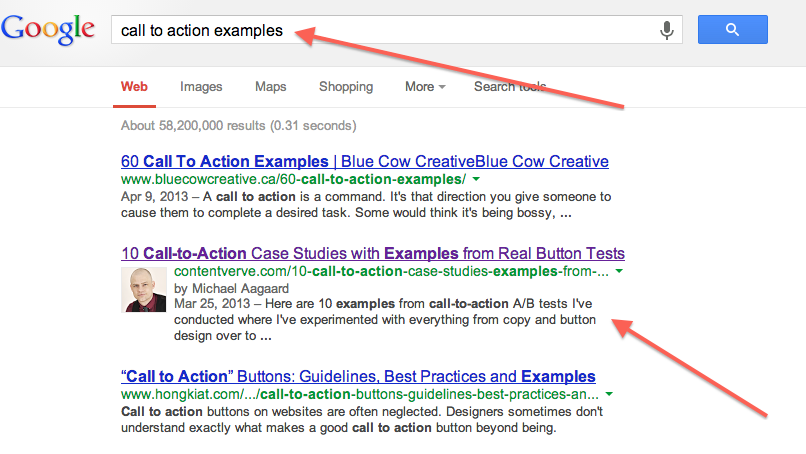
There is no hard and fast rule when it comes to choosing keywords based on search volume. What you really need to focus on is going for keyword phrases that are highly relevant to your topic and then see if it would be worth targeting them. Only spend time on keyword phrases that you can realistically rank for.

    1. Go for Long Tail Keyword Phrases

      Time and again, it has been proven that some of the best performing keywords in terms of quality do not have a high search volume.

      These long tail keyword phrases are more specific when compared to their shorter counterparts. But they are totally worth targeting because searchers using them are more sure of what they want. They’re simply focused, and in many cases, are in the “buying mode”.
      long tail keywordsPeople that use short and broad keyword phrases have a vague idea of what they want. They’re researching and learning, which means their chances of them “converting” are low.However, when someone use a longer keywords (many times in the form of a question), they are much likely to take action. Which could be anything from sharing your article, joining your email list or simply hitting the buy button.

      3: Effectively Optimize Your Titles

      When people hit Google to search something, they are often faced with a number of options on first page. A quick glance through the top ten results, they decide on visiting the websites with the most enticing headlines.

      That’s right, the headline or the title of your page is the first thing a search user will notice. If it entices them, they click through and visit the site. If not, they move on. You want to be the site they visit, not ignore.

      Creating SEO friendly content is not just about puand the information you share. No, it’s also about creating a great title for your page that gives people a reason to visit your site.

      SEO friendly page titles

      There are two things that you can do right away to make your headline worth clicking:

      1. Brainstorm Variations: Coming up with a great headline can be difficult if you’re trying to get it right in the first attempt. Rarely do you find a worthy title that way. Instead, what you need to do is brainstorm with your colleagues or partners a number of headline variations for the page.

      Your aim is to find the one that truly resonates with your target audience. It’s not uncommon to go through 20 or even 30 headline variations before you find the best one.

      keyword variations
      2. Use Keywords Naturally: Using your focus keyword in your headline, especially in the beginning of it, is great for SEO. However, the last thing you want to do is sound forced. Try to weave in your keyword in the headline in a way that gives meaning to it, instead of making it sound robotic.

      best SEO keyword placement

      You can couple up your focus keyword with power words – big, best, improve, etc. to make it look  more natural and attractive. Keep it short (less than 60 characters) and see to it that is is zero redundancy. Your title should pack a punch and also make sense at the same time.

      4: Aim for Better Content Readability

      Content readability is nothing but how easy it is to understand a certain written text. When creating SEO friendly content, it’s important to not miss out on the readability factor. While you are busy optimizing your content for the right keywords, its readability may go for a toss, which is a strict no-no.

      Even though content readability isn’t seen as a direct Google ranking factor, it is definitely an indirect one and can affect your SEO initiative.

      It’s also important to note that there are many different algorithms specifically created to understand how readable a piece of content is, which the search engines may use. A popular and effective content readability calculating algorithm is the Flesch-Kincaid readability score.

      SEO friendly readability

      1. Use Simple Vocabulary

      One of the easiest ways to enhance your content readability score and make it SEO friendly is to use simple words that your readers can connect with. Say goodbye to any type of jargon where you have to use long, complex words. simple vocabulary
      Use shorter words that add meaning to your content but don’t confuse the readers. Give them the information they want in the easiest to understand manner. Period.

      1. Make Your Sentences Short

      Longer sentences are not only hard and confusing to understand, but they’re also difficult to write while making sense. Make your sentences shorter wherever you can. Break down a long sentence into several shorter, easy-to-digest sentences. No wonder famous writer Ernest Hemingway was a fan of shorter sentences.words per sentence

      1. Write Like You Talk

      When it comes to creating easy to understand, SEO friendly content, your tone matters a lot. If you can write in a conversational tone, you’ll automatically make your overall content simple and to the point. write like you talk

      Even though this isn’t a rule that’s etched in stone, it does help to make your content more reader friendly. Also, writing like you are talking to a friend is much easier and more natural.

      1. Format Properly

      Shorter paragraphs make a lot more sense when you are writing for the web where people do not like big blocks of text. When it comes to proper formatting, using more and more white space will only make your content appealing and more SEO friendly.How often should you separate your sentences into paragraphs? The answer is whenever you can.

      Also, break down your text using subheadings along with bullet points and tables. The idea is to present your content in a more readable or digestible manner. Remember, content that is easy on the eyes gets read and spread.

      SEO friendly formatting

      1. Proofreading is the key

      No matter how great, how informational or how well- researched your article may be, if the content is full of misspelled words and grammatical errors, no one would surely read it. All the elements above will be pointless if you will not be able to proofread your post.

      So if you have an editor, be sure to let them check the article first before publishing. But if you don’t have one, then there are several online tools that can help you with this task such as the Hemingway Editor and Grammarly.

      5. Add Relevant Images

      Good content readability and a good choice of images, both go hand in hand. Because images basically help you add excitement to “only text” which can look boring and monotonous. Try to use relevant images wherever you feel applicable in your content in order to segment it better.

      While it is encouraged that you add an image to your content as often as you can, research says that the best image to text ratio is one image for every hundred words.

      SEO friendly image use

      Don’t add images to your content just for the sake of adding them. Your readers should be able to derive some value out of them. The more relevant an image is to the content, the better your audience will be able to connect to it.

      5: Focus on Improving User Experience

      User experience or UX is one of the key factors when it comes to the success of a website. Which is why UX focused marketing is important. And it is not limited to the overall website design. It goes beyond that and extends to how you use content on your site and the way it impacts its experience.

      Creating content that just fills up space on your website won’t take you far. Every piece of content that you create should start with your target user in the forefront. Keep your readers in your mind, even when your trying to improve your site’s SEO.

      Can you write content or even research keywords without understanding or knowing your target audience? Of course not. Because that’s a recipe to failure.

      Before you start on your “content creation” tasks, ask yourself…

      • What do my readers want from me? What is the expectation of my audience?
      • How can I create content that adds to the website’s overall user experience and improves it?
      • Does my website’s core values help my content marketing strategy or hurts it?

      The closer you take a look at your website and the kind of content you’re publishing, the easier it will be for you to serve your target audience. And Google knows this, which is why you’ll find websites that offer a stellar user experience are almost always rewarded by the search engine giant.

      Here’s what your information architecture should be like…

      So in order to increase the chances of making your content SEO friendly, see to it that you…

      1. Keep Users in the Forefront

        If you want to create SEO friendly that works, you need to think users first. Your content strategy should be designed around the user, not the other way round. Users, along with context and content should make up your site’s core information architecture. So, next time, don’t start off by thinking what you would want to cover in your blog post or eBook. Instead, focus on what type of ideas or solutions your users want or need from a business like yours. Produce true SEO friendly content that gives your readers value in every possible way.
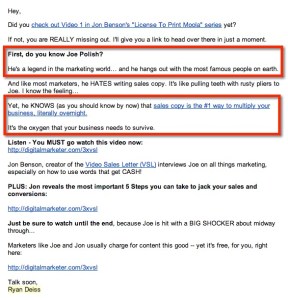
      2. Grab their Attention Early On

        In order to catch the attention of your readers and keep it that way, don’t create content without having a central theme for it. Every piece of SEO friendly content has a certain theme that it is written around.

        Why? Because you want readers to know what to expect right from the start. You want them to have clarity. Even if your content has the best and the most relevant information, it’ll fail to give results if it doesn’t deliver in the first few moments.

      Wrapping Up

      As you can probably tell by now SEO and content marketing are pretty much a two in one type venture. If you’re going to perfect one, you should probably perfect the other as well or your time won’t be very well spent. They complement each other and don’t work as well without the help of each other.

      Therefor, it’s a must that your content be SEO friendly.

      And the best way to make sure that’s happening if you don’t have a dedicated staff member is to hire a full service digital marketing agency. Luckily we can help! Set up a free consultation today with one of our team members to see how we can take your SEO and content marketing efforts to the next level.

blogging, digital marketing, digital marketing services, internet marketing, social media marketing

Increase Email Click-Through Rate with These 4 Emotional Triggers

In the world of email marketing, we call wall-sticking noodles “triggers.” and that they work because humans are all hardwired an equivalent way. once you press on certain persuasion buttons within the brain, you’ll get readers to perform the actions you’re hoping for together with your copy.


The 4 triggers to extend email click-through rate are:

  • Gain
  • Logic
  • Fear
  • Scarcity


These principles of persuasion are often applied anywhere you would like your customers to require action.


Gain

At any given moment, we all want to realize something. What that something is depends on the instant .Sometimes we would like to realize the knowledge of why our email open rate decreased by 10% in the week . Other times we would like to realize a burrito bowl.It really depends on the instant .In the moment that somebody is reading your email, you would like to ask:

What will they gain if they click on this link?

That’s what your reader is wondering and you would like to answer it. Your email copy should make a promise that clicking on the link within the email will deliver a selected gain.
That promise could be obvious or subtle.


Logic

It’s true. People buy for emotional reasons—but they justify the acquisition with logic.If you’ve appealed successfully to a buyer’s emotional side, it’s time to offer them something practical to justify the acquisition .Use statistics, odds, comparisons, expert opinions and other practical facts to encourage email clicks.

Fear

With the proper audience and therefore the right promise, you’ll get outstanding click-through rates once you press on a reader’s fear button.This sounds scarier than it really is. You don’t got to go full Parasite on people, you only got to convince them if they don’t click on this link something they don’t want to happen might happen.
For example, Canva does an excellent job of this. once you initially read this email, you’ll think, did DigitalMarketer really just tell me this copy is creating fear?


Scarcity

If the reader feels there’s no urgency to require action on your campaign or product launch NOW, often they won’t roll in the hay . you would possibly offer gain, logic, and fear…but if you don’t put a deadline thereon they’ll just tell themselves, “I’ll get thereto later.”If you would like to extend click-throughs on your emails, you would like to speak that what you’ve got for them is restricted in how .Health insurance providers within the USA have mastered scarcity. They’ve opened enrollment for insurance into just a couple of months at the top of every year, pushing the scarcity of the time remaining to urge health coverage.


Mixing and Matching Emotional Triggers

These persuasion buttons don’t cancel one another out. If you press on the gain trigger, you’ll still catch people with a logic trigger, and follow up with a scarcity trigger.And this is often exactly what you would like to try to to .Your subscribers haven’t banded together to make a decision that on Monday’s they feel logical, on Tuesday’s they like a touch scarcity, and on Wednesday’s they have to understand what’s in it for them.

Your emails are meeting readers where they’re .

Some are getting to be really happy once they read your email. Others might feel overwhelmed. and a few might desire they don’t really need what you’re selling them.That’s why you would like to satisfy your customer avatar where they’re therein moment.Happy readers are getting to feel excited to find out that you simply have something for them to realize , and successively make them even happier.

Overwhelmed readers are often extremely inspired by scarcity.And the readers who aren’t totally convinced need some logic to point out them why this is often an honest solution/answer for his or her problem or question.

By mixing and matching emotional triggers, you’ll personalize batch emails a touch more.For example, an email might be structured like:

  • Gain Section
  • Gain CTA
  • Gain trigger segue into Logic Section
  • Logic CTA
  • Logic trigger into Fear Section
  • Fear CTA

Gives PPC Ads Campaigns to form your website ranked instantly in leading … PPC Agency in cochin Provides you to urge your website ranked instantly in … PPC services can target your relevant audience and improve your ads performance

blogging, digital marketing, digital marketing services, internet marketing, social media marketing

The 12 Types Of Marketing Videos

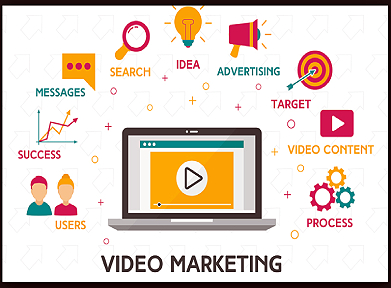
The definition of video marketing is not complex. In fact, it’s rather simple: using video to market or market your brand, product or service. A strong marketing campaign incorporates video into the combination . Customer testimonials, videos from live events, how-to videos, explainer videos, corporate training videos, viral (entertainment) videos — the list goes on.

video marketing

There Are 12 Types of Marketing Videos

1. Demo Videos

Demo videos showcase how your product works — whether that’s taking viewers on a tour of your software and the way it are often used or unboxing and putting a physical product to the test.

2. Brand Videos

Brand videos are typically created as a neighborhood of a bigger ad campaign , showcasing the company’s high-level vision, mission, or products and services. The goal of brand name videos is to create awareness around your company and to intrigue and attract your audience .

3. Event Videos

Is your business hosting a conference, round table discussion, fundraiser, or another sort of event? Produce a highlight reel or release interesting interviews and presentations from the gathering.

4. Expert Interviews

Capturing interviews with internal experts or thought leaders in your industry may be a good way to create trust and authority together with your audience . Find the influencers in your industry — whether or not they share your point-of-view or not — get these discussions ahead of your audience.

5. Educational or How-To Videos

Instructional videos are often wont to teach your audience something new or build the foundational knowledge they’ll got to better understand your business and solutions. These videos also can be employed by your sales and repair teams as they work with customers.

6. Explainer Videos

This type of video is employed to assist your audience better understand why they have your product or service. Many explainer videos specialise in a fictional journey of the company’s core buyer persona who is battling a drag . This person overcomes the issue by adopting or buying the business’s solution.

7. Animated Videos

Animated videos are often an excellent format for hard-to-grasp concepts that require strong visuals or to elucidate an abstract service or product. For example, we created the subsequent video to market a key (intangible) theme from the 2017 State of Inbound report.

8. Case Study and Customer Testimonial Videos

Your prospects want to understand that your product can (and will) solve their specific problem. One of the simplest ways to prove this is often by creating case study videos that feature your satisfied, loyal customers. These folks are your best advocates. Get them on-camera describing their challenges and the way your company helped solve them.

9. Live Videos

Live video gives your viewers a special, behind-the-scenes check out your company. It also draws longer streams and better engagement rates — viewers spend up to eight .1x longer with live video than with video-on-demand. Live-stream interviews, presentations, and events, and encourage viewers to comment with questions.

10. 360° & Virtual Reality Videos

With 360° videos, viewers “scroll” around to ascertain content from every angle — as if they were physically standing within the content. This spherical video style allows viewers to experience a location or event, like exploring Antarctica or meeting a hammerhead . Virtual reality (VR) allows viewers to navigate and control their experience. These videos are usually viewed through devices like Oculus Rift or Google Cardboard.

11. Augmented Reality (AR) Videos

In this style video, a digital layer is added to what you’re currently viewing within the world. For example, you’ll point your phone’s camera at your front room and AR would allow you to ascertain how a couch would look within the space.

12. Personalized Messages

Video are often an ingenious thanks to continue a conversation or answer someone via email or text.These videos create a pleasant , unique moment for your prospects and may drive them further down the purchase journey.

DMC Online is the Video Marketing Company in Kochi which promote and market your product or service, increase engagement on your digital and social channels, educate your consumers and customers, and reach your audience with a new medium.

blogging, digital marketing, digital marketing services, internet marketing, social media marketing

7 Social Media Tips For Small Business Success

Social media marketing may be a powerful way for businesses of all sizes to succeed in prospects and customers. Your customers are already interacting with brands through social media, and if you are not speaking on to your audience through social platforms like Facebook, Twitter, Instagram, and Pinterest, you’re missing out! Great marketing on social media can bring remarkable success to your business, creating devoted brand advocates and even driving leads and sales.

social media marketing

Tip 1:Know Your Competition


Remember that having competitors who target an equivalent people is great because you’ll always check what worked for them and what didn’t, and use this data to regulate your own strategy.My advice is to start out with the large fish. These guys do something right to urge the type of follower count and engagement they need , so why not learn from them? There are a few ways of doing this.

Use Facebook’s Pages to spot your best-performing competitors and compare their activity, engagement, and audience growth to your own. You can see exactly what content they’re posting, how often, and at what time of day they’re posting. Remember to not only check out follower count but total engagement: it’ll tell you ways their followers are interacting with the content. Brands with high engagement rates are typically the ones to watch.This report will give you a good idea of who has a strong online presence, and who is investing heavily in marketing. Brands investing in marketing and getting many traffic typically have strong social presences, so they’ll be good ones to see out.

If you would like more advanced social media competitive analytics, tools like Rival IQ, SproutSocial, Klear, or SEMrush can provide them. They will assist you track your competitors’ social pages to ascertain how their posts perform, what proportion engagement they receive, which hashtags they use, and what special offers and competitions they’re running on social.


Tip 2: Pick the Right Channel to Target


There are tons of social media channels out there, but that doesn’t necessarily mean you’ve got to get on all of them.If you’re starting your social media journey from scratch, it’s advisable that you simply gather a survey and ask your customers which social media channels they like or use the most.

If you’re already active on social media channels, check their efficiency. Compare the dimensions of your audience across different channels, your engagement, and engagement rate metrics. Another way to pick the right target channel is to analyze your competitors’ activity. Check which channels they put their energies into, and begin targeting them too: your chances of getting noticed by the relevant audience will double.


Tip 3: Simplify Content Creation


Creating social media content does take time, but not the maximum amount once you have the proper tools at hand.For example, Inoreader will assist you find relevant content and continue together with your favorite information sources. The tool allows you to save lots of sites for viewing later, and subscribe social feeds (even with the free version you’ll subscribe as many sources as you like).

Photos and videos you’re taking on your phone are often easily processed with tools like Canvas and VSCO right from your mobile device. Tools like Buffer, Sprout Social, or SEMrush Poster will assist you with scheduling and posting your content across different social networks.Social media managers are always at risk of making small errors, and social media can be merciless if you make a mistake. Use tools like Grammarly to keep your brand’s reputation intact.

Key Takeaway: have you ever heard about the 80/20 rule or Pareto principle? Apply this rule to the time you invest in social media. Plan 80% of content beforehand , and spend the opposite 20% on live conversations with an audience.

Tip 4: Automate Your Posting


If you don’t make an attempt to automate your posting routine, you’ll never have the time to specialise in the essential things which will truly help your business.If you manage several social networks directly , consider tools like Hootsuite and Social Media Poster. Instead of switching between multiple tabs to post your content in each individual network, you’ll be ready to schedule content for all of your social profiles from one tab and create a personalized posting schedule. You’ll have multiple scheduling options also , whether you would like your post to travel live immediately, schedule it for later or create a draft and revisit it later:


Tip 5: Interact with Your Audience on Social

There are two sides to this.

The first one is about monitoring your online mentions across the online and responding to them. The other is about not forgetting to reply to your followers’ messages on social. Both are crucial if you would like your business to succeed. So how do you manage both?People will mention your brand across the online . And they will either be happy with your brand and want to say thank you, or they’ll be disappointed. You have to reply to both sorts of mentions, be it a positive review or a complete diss.Social media monitoring tools like Mention.com, SEMrush Brand Monitoring allow you to trace and categorize your online mentions, find influencers, and identify new promotional opportunities.

social media audience

If you’ve got quite one social account, I’d definitely recommend trying Buffer Reply. It helps you retain all of your social conversations in one team inbox and answer them right from the tool’s interface. Another great point about Buffer Reply is that it provides you with sufficient data about the person you’re lecture , allowing you and your team to make personalized responses.


Tip #6: Engage your Audience Constantly


Test different content formats. Try videos, live streaming, and quizzes. Take pictures of your product, customers together with your product, competitors together with your product, and cats together with your product. Try jokes, memes, and funny statements—experiment with the potential of humor. Don’t forget to line an engagement metric for all the content you post. Otherwise, how will you know what works and what doesn’t?

You can easily entertain your audience with thematic and occasion-based campaigns. These might be campaigns built around holidays and events like an upcoming game release or a TV series premiere. They usually require minimum investment and energy on your part. Because the interest within the event is already there, all you would like to try to to is use it to draw in people’s attention to your product.

Tip 7: Integrate the Online and the Offline


Surely you want to have considered running special offers and competitions for your customers! Make an attempt to market your special offers and sales through social media channels. All it takes to integrate online and offline marketing is that the right hashtag. Tools like Hashtagify and Ritetag won’t only assist you brainstorm new hashtags to use but also show you the recognition and potential reach and impact of specific terms and phrases:

DMC Online stands unique among the companies offering social media marketing Kochi. We, aim in not only delivering the social media marketing Kochi but also to provide all type of digital marketing services involved in SEO, SMM, SEM, etc.

blogging, digital marketing, digital marketing services, internet marketing, social media marketing

Best Tips to Tuning Up Your Website Design For SEO Benifits

Responsive design may be a way of developing web properties in order that the device they’re wont to determines the way that the location are going to be displayed. in this article mainly focused on Responsive Website Design For SEO Benefits. responsive website design undertaken by an SEO expert will confirm your website loads faster so on improve your ranking. Responsive website design features a lot of advantages in offering. Those benefits are listed in this article.

Responsive web design
Responsive web design is that the approach that means that style and development should answer the user’s behavior and environment supported screen size, platform, and orientation. the practice consists of a mixture of flexible grid and layouts, images and intelligent use of CSS media queries. As the user switches from their laptop to iPad, the web site should automatically switch to accommodate for resolution, image size, and scripting abilities.

responsive web design

A site designed with responsive website design adapts the layout to the viewing environment by using fluid, proportion-based grids, and flexible images.

Benefits of Responsive WebDesign


Faster mobile development at a lower cost
More mobile traffic
Faster Web pages
Lower Bounds rate
Higher conversion rate
Improved SEO


SEO Tips for Responsive Website Design

Make your site navigation is search engine friendly
Design your URLs for search friendliness
Don’t neglect image Alt attribute etc…

DMC Online is the SEO Company in Kochi. We support business promotes by marketing and program optimization services, also we provide affordable and advanced service to everyone. Our qualified team of SEO Analysts ensures the web site ranking within the top 10 leads to Google, Yahoo, Bing. Contact Our experts to promotes your business and obtain improvement in your website ranking today.

blogging, digital marketing, digital marketing services, internet marketing, social media marketing

How to Increase Search Engine Optimization Results as a Small Business

In today’s digital marketplace, program optimization seems to be a subject that’s on every small business owners mind. That’s because the bulk of consumers are using search engines like Google to seek out the brands, products, and services that they have most. There are many various factors involved in your program ranking. And improving your ranking is no easy task.That’s why we’ve put together the last word guide the way to increase program optimization results. Use the helpful tips below to urge started with improving your reach online.How long does it fancy improve your Google ranking?Skill – does one have the skill set in-house to enhance your SEO? Do you even know what you would like to try to to to urge started? Your skill at SEO plays a task in how quickly you’ll improve your ranking.

small business seo

Here are just a few of the elements that can impact the time it takes for you to improve your Google ranking:

  • Budget – What quite budget are you working with? The larger the budget, the more you’ll do up-front to extend program optimization results. If you’re working with a limited budget, you’ll got to be more strategic about which steps you’re taking .
  • Competition – The more competition you’ve got in your industry and area, the longer it’s going to deem you to extend program optimization results. How well your competition is doing with their own SEO also will play a task .
  • Current Site – What condition is your current site in? The more work you’ve got to try to to to enhance the various elements of your site, the longer it’d take you to ascertain changes in your Google rankings.Keeping these factors in mind. No matter where you’re within the optimization process, seeing a change in your program results page (SERP) rankings will take time. It isn’t something that just happens overnight.

9 Ways to Increase Search Engine Optimization Results


As we mentioned before, the time it takes you to extend program optimization results depends on variety of things . However, there are some actions that you simply can start taking today to enhance your chances of ranking higher on the SERP. Here are just a couple of ways to enhance your SEO

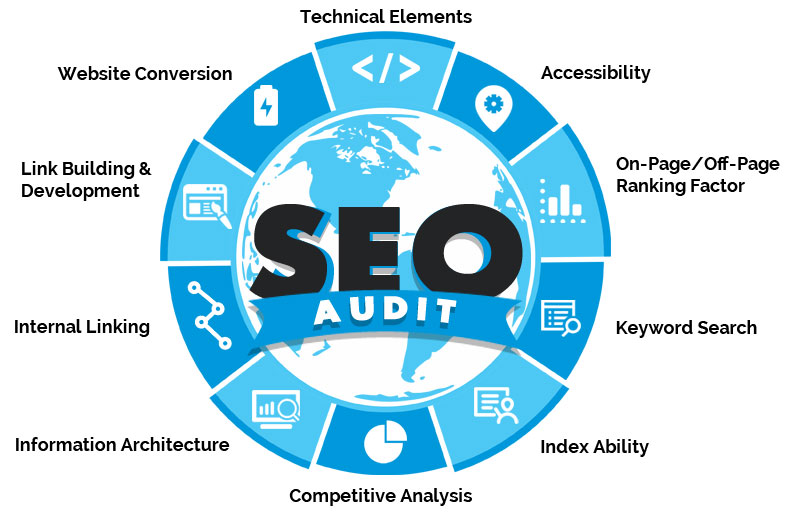
1.Start with an SEO website audit.


If you would like to seek out out the simplest ways to extend program optimization for your website, you’ll want to start out with an SEO website audit. An audit will help you identify your site’s strengths and weaknesses.That way, you will be able to play to your strengths while making strategic improvements to the weaker areas of your SEO.

An SEO website audit involves looking at:

  • Your website structure
  • Information architecture
  • Existing content
seo audit

The point of the audit is to identify areas that need attention so that you can begin to develop a strategic plan for improvement. Though the audit itself won’t help you improve SEO, it’s a vital first step in effectively and efficiently boosting your SEO efforts.A technical SEO audit requires you to use a number of tools to help identify how different areas of your site are contributing to your SEO. The average small business doesn’t have access to these types of tools or the experience in-house to run them and interpret the results.

For this reason, many brands will prefer to work with an experienced SEO agency which will complete a technical SEO audit and offer strategic recommendations supported what they find.

2.Improve site navigation.


Google wants to supply the simplest possible program experience for its users. For this reason, the program rewards sites that provide a positive user experience (UX). Part of offering a positive UX is ensuring that your site is straightforward to navigate.If site visitors cannot find what they’re trying to find , they’re going to presumably leave your site.

This impacts your bounce rate and time visitors spend on your site as well as the number of pages they view. All of this impacts your search engine rankings.Not to mention, poor navigation often leaves users with a negative perception of your brand. This can lead them to look to your competitors to get what they need.

Developing a clear navigational structure is a vital first step to helping visitors find the what they are looking for on your site. The rule of thumb for navigation is to never make a page more than 3 clicks away. That means that every page on your site, even at the deepest levels, should be reachable in just 3 clicks.

3.Fix duplicate content.


Duplicate content issues can negatively impact your program optimization efforts. Google wants to reward those sites that have unique site content. So they penalize sites with duplicates. That’s why it’s important to regularly check your website for duplicate site content and fix these issues before they start to bring down your SERP rankings.One of the foremost common duplicate content issues is multiple versions of an equivalent page.

To resolve this issue, you’ll need to set up the right redirect rules in your .htaccess. If you don’t know how to do this, ask your site administrator or a web design professional.Another common issue when it comes to duplicate site content are portions of your content that are too similar to other site pages. This can happen for a number of reasons.

duplicate content

Maybe the freelancer that you hired to write your site copy wasn’t as careful as they should have been in writing unique content. Or perhaps you work in an industry where very common phrasing is often used and you’ve used some phrasing that’s identical to other pages on the same topic.

No matter what the case could also be , you’ll got to locate and fix this content to make sure that it doesn’t penalize your SERP rankings.Tools like Copyscape are great for helping you identify duplicate content. Once you’ve used the tool to find content matches, you can fix these issues before they start to impact your SEO.You will got to check for duplicate content on a daily basis as whenever you add new pages or blog posts to your site, there’s the potential for content duplication issues.

4.Optimize your website for mobile.


Mobile site optimization is not any longer optional for businesses. As of 2015, Google now penalizes sites that aren’t optimized for mobile devices.

Why? Because over 55% of all searches come from mobile devices. Consumers are using sites like Yelp as search directories. And counting on Google maps to spot local businesses which will serve their needs within the moment.Mobile site optimization isn’t just important for consumer businesses. B2B brands also got to confirm that their site is straightforward to navigate and skim from smaller screens.

In fact, a study from Search Engine Watch shows 77% of business executives are using smartphones to research new products or services for their business. If you would like your content to be available to your audience once they need it most, mobile optimization may be a must.

5.Optimize your site for speed.


Site speed is yet another factor that the Google algorithm takes into consideration when ranking your site on its SERP.The longer it takes for the page to load, the more frustrated the buyer becomes. This may cause them to leave your site and go to a competitor’s.According to data from Akamai, if your site takes longer than 3 seconds to load, you could be losing almost 50% of your site visitors.To improve bounce rates and thus your SERP ranking, you’ll need to make some changes to your site to improve site speed.

Here are a couple of factors that impact load times:

  • Image File Size – Larger image files take longer to load, impacting your site speed. Compress and optimize your image files so that they don’t drag down your load times.
  • Browser Caching – When a browser loads a site page, it is loading a number of resources. Browser caching stores these resources locally on the users’ computer so they don’t need to be loaded again – making pages load faster.
  • Script Handling – JS and CSS files can slow down your site speed, so make sure that you actually need these extras to enhance your site before using them. (If you don’t know what we’re talking about, ask the person who designs your site.)


When you improve your site speed, you’re not only providing a better UX. But you’re boosting conversion rates as well. Not to mention, Google will take this under consideration when calculating your site ranking on the SERP.

6.Produce high-quality content that adds value.


Consistent, high-quality content plays a vital role in helping your business increase search engine optimization results. No matter what changes you make to your site’s structure, there is no substitute for great content.Your content should not only be researched and well-written. But it also needs to be useful to your target audience. If your website content doesn’t provide value for its readers, it won’t help you increase search engine optimization.

One of the best ways to step up your content creation is to create a business blog. This is where you will regularly post new blog articles about topics that are relevant to your industry and your customers.A great place to start out brainstorming potential topics together with your team is to believe questions that your audience may have or challenges that they face. Addressing these challenges in blog posts not only helps you catch the eye of your audience but also make sure that the content is providing some sort of value.

7.Insert and improve your metadata.


If you want to rank higher on the Google search engine results page, you’ve got to make it easy for Google to decipher what your pages are about. Making sure you insert metadata or improve the prevailing metadata on your pages may be a surefire thanks to increase program optimization results for your site pages.

Here are some elements you’ll need to consider when optimizing your metadata:

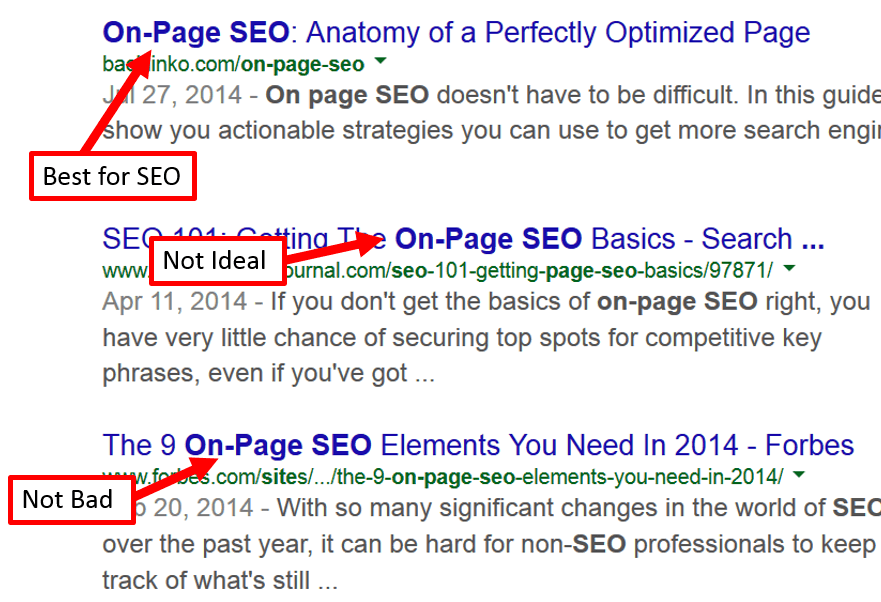
  • Title – this is often the title which will be displayed at the highest of the browser window also because the headline on the SERP. Include your keywords on the brink of the start of the title.
  • Description – The description is important because it shows up on the SERP and tells users what the page is about. Create a clear and accurate description of the page that’s brief while still emphasizing chosen keywords.
  • Alt Tags – Alternative text descriptions, or alt tags, are used to describe any images, videos, or visual media that you use on your pages. This not only tells Google what your images are about but helps the search engine determine when to deliver this content in its image search results.


Get in the habit of following these best practices for each and every new page or blog post that you publish. Though this takes a little extra time to create, it’s an essential way to increase your search engine optimization results.The more accurately Google can determine what’s on your pages, the more effectively the search engine can deliver the right results to the right users at the right time.

8.Include inbound and outbound hyperlinks.

Linking is another important way to increase search engine optimization results. Backlinking strategies can get a bit complicated.However, the best way to increase the number of links back to your content is to write content that’s worth linking to. The more valuable content you create and share with others, the more likely other sites will link back to your content.

In addition to getting external links back to your site, you’ll also want to link to your own site pages internally.Any time you have the opportunity to link to a relevant site page or blog post within your own content, go for it. This will not only help you increase search engine optimization results, but it allows you to guide readers to other content that they might find helpful.

9.confirm your content is straightforward to read.


We’ve already talked about the importance of creating high-quality content on a consistent basis. However, if this content isn’t easy for visitors to read, they may not take the time to read it.Ensuring that your content is formatted during a way that’s easy to navigate and skim is a crucial a part of keeping visitors on your site longer. Which impacts both SEO and conversion rates.

One of the best ways to format your content so that it’s easier to digest is by using headings and subheadings.These titles help hack the content into different topics. Making it easier for readers to spot what sorts of information are going to be contained within each section. This is especially important for long-form blogs as readers can easily get lost in the content.Another formatting tip is to use bullet points and numbered lists to break down more complex topics.

Bullet points offer readers a little break from large chunks of text while easily breaking down information into more digestible chunks. Numbered lists can help break down a process or make a list of elements easier to understand.Bold and italics are also your friend.

If you want to emphasize certain elements of the text or make sure that something sticks out to the reader, make a phrase bold or put a word in italics.All of these tactics will help improve the readability of your piece and make it easier for busy readers to scan and get the information they need quickly and effectively.

DMC Online When it comes to marketing your business, we use the full range of online marketing tools.The Digital Marketing Company can also increase the efficacy of other marketing techniques – including Search Engine Optimization and Search Engine Marketing – by helping build natural links, drive traffic, and build natural links, awareness, brand recognition and goodwill.
Are you looking for best Digital Marketing company in Kochi? DMC Online is the best option to fulfill your dreams. that helps to increase your business sales or branding? We provide complete Digital Marketing services to every companies across the world.